
Rotor hub elastic elements
Development support for rubber-metal elastic components used in rotor hub damping, elastic connection and vibration-control structures.
Send load and stiffness targetAerospace elastomer development
PRESIS supports high-performance rubber and silicone elastomer development for aviation damping, rotor hub elastic elements, vibration isolation and special equipment components that require stiffness control, fatigue reliability and batch traceability.
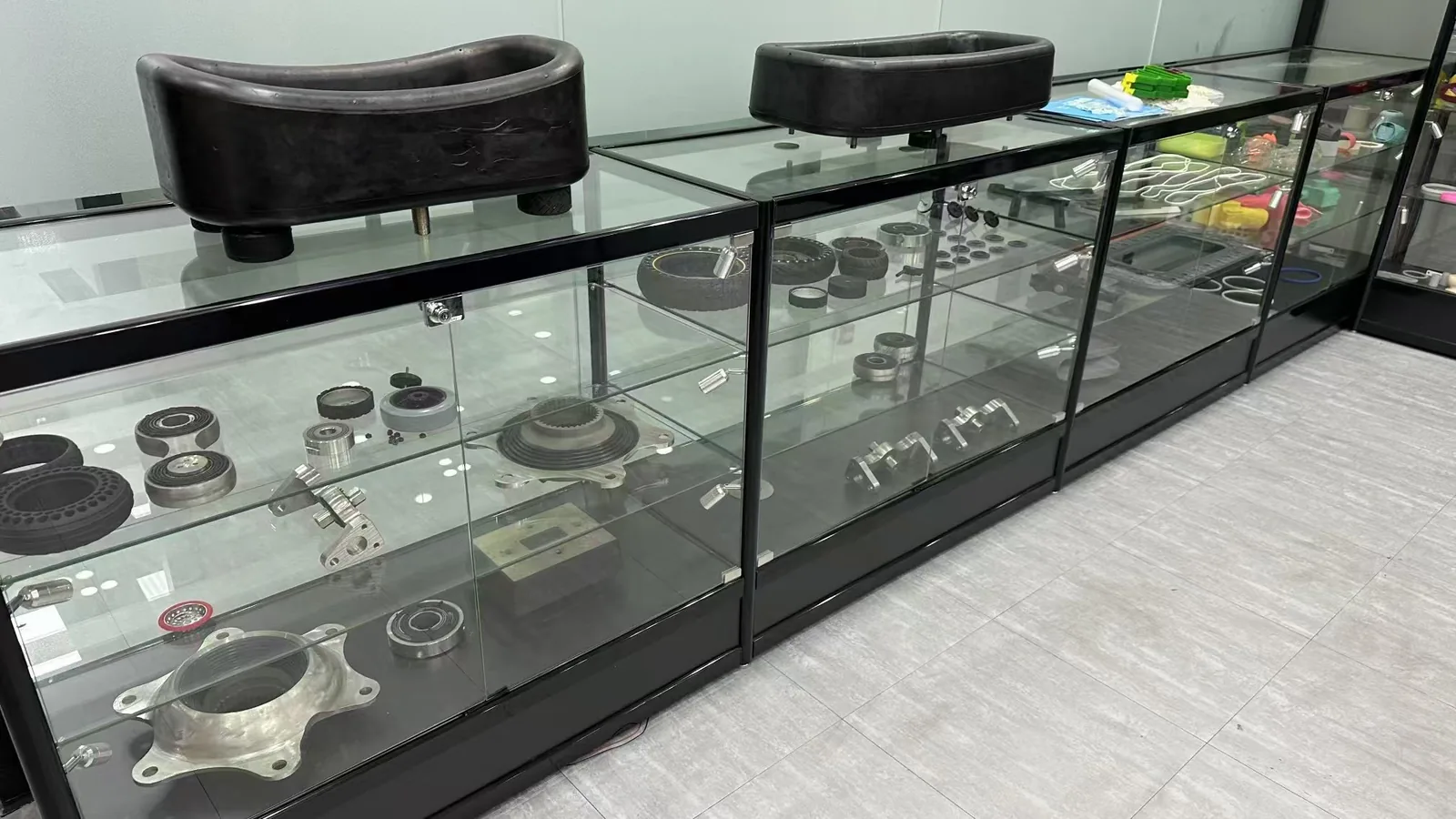
Typical development targets
Development support for rubber-metal elastic components used in rotor hub damping, elastic connection and vibration-control structures.
Send load and stiffness targetHigh-performance elastomer parts for isolation, shock absorption and fatigue-sensitive applications under controlled batch and process conditions.
Discuss fatigue validationCustom NR, BR, FKM, FFKM, silicone or compound elastomer structures for demanding industrial and special-use environments.
Review materialsEngineering route
For aviation and rotor hub related elastomer projects, PRESIS focuses on material suitability, mold precision, rubber-metal interface, stiffness and controlled repeatability.
Drawing, sample, load direction, dynamic stiffness, static stiffness, operating temperature, media and fatigue life target.
NR, BR, NBR, FKM, FFKM, CR, BIIR, ACM, phenyl silicone or custom compound selection with bonding and interface review.
Tooling route, rubber flow, vulcanization control, metal insert handling, dimensional tolerance and traceable production plan.
Hardness, dimensional inspection, stiffness testing, visual inspection, batch labels, abnormal isolation and customer validation records.
Related engineering case
See how requirement review, laminated metal-elastomer structure control, bonding, transfer molding, inspection, performance verification and piece-level traceability are connected in one development route.

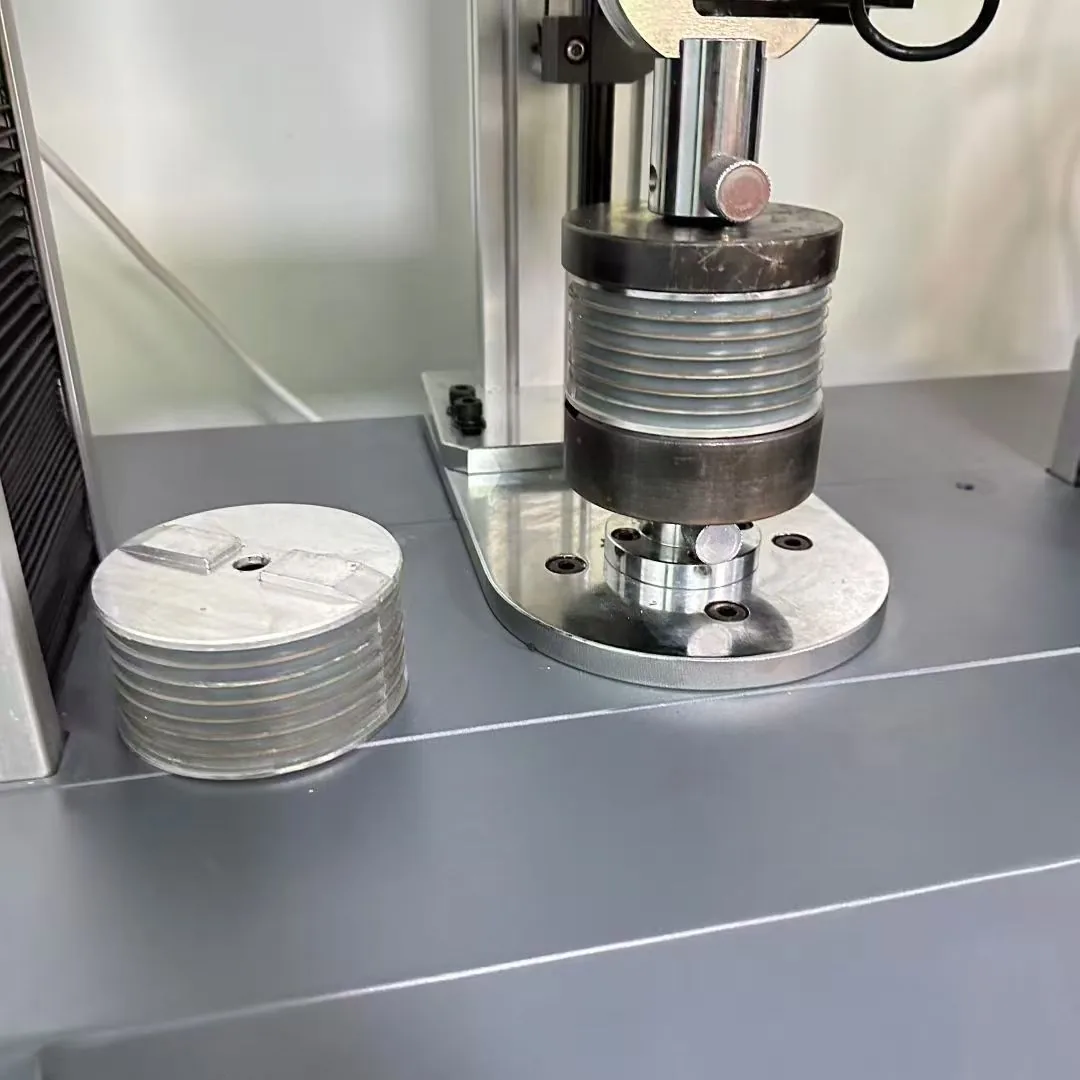
Stiffness, fatigue direction and material stability must be considered before mold development, not only after sampling.
RFQ preparation
Include geometry, assembly position, force direction, metal insert information and bonding surface requirements.
Clarify static/dynamic stiffness, temperature range, vibration condition, oil/fuel/chemical exposure and target service life.
Confirm material batch records, supplier source, test reports, inspection documents and change-confirmation process.