
Small molded sealing, isolation and flow-control parts for electronic atomizer assemblies.
Electronic atomizer engineering case
Electronic Atomizer Food-Contact Silicone Components: From DFM to Controlled Molding
Small silicone parts in an electronic atomizer may provide sealing, isolation, positioning or flow-control functions. Their geometry, material documentation and assembly fit must be reviewed together before tooling is released.
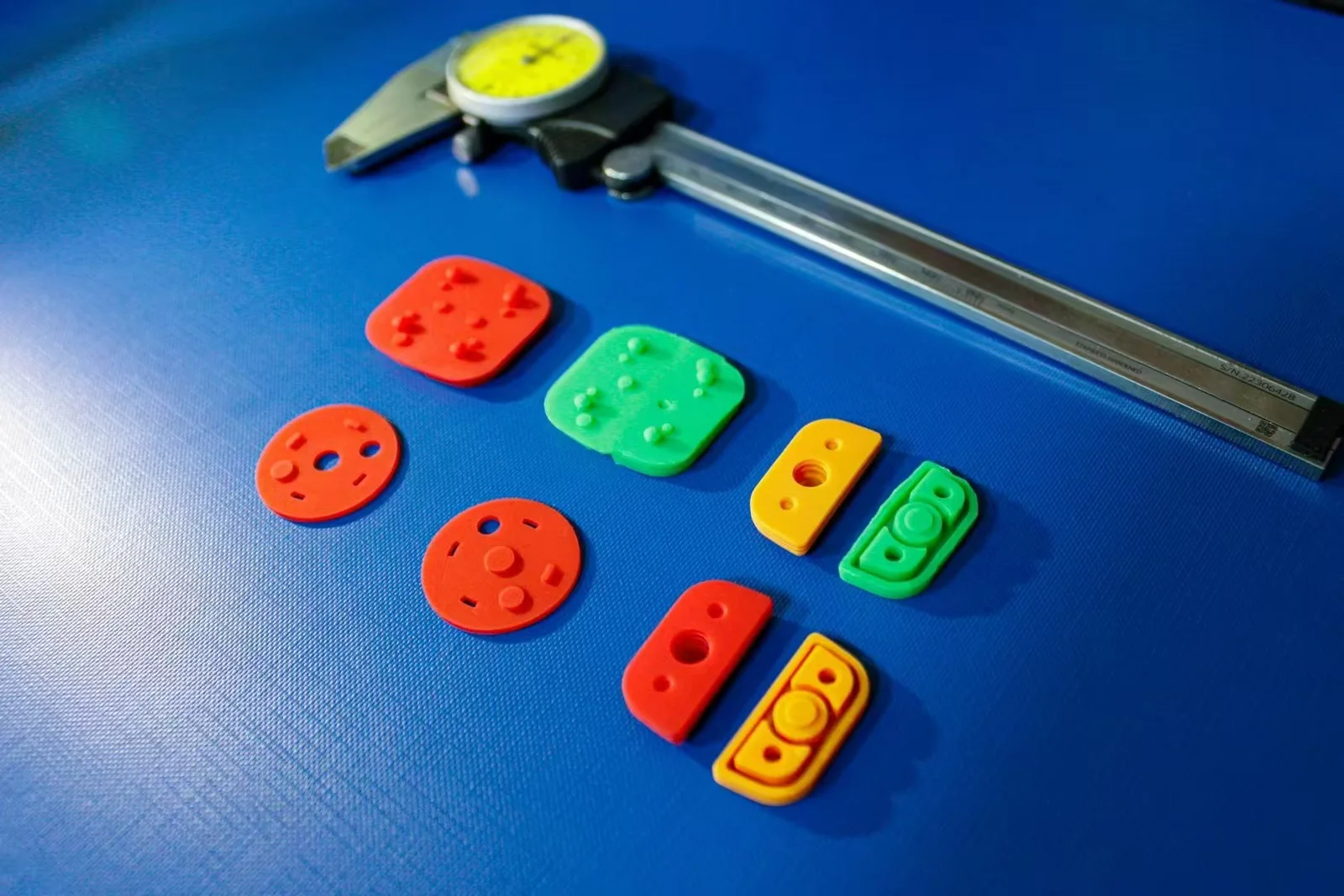
Requirements and DFM
Review the assembly interface before deciding the mold
The project starts with 2D or 3D drawings, mating dimensions, contact medium, temperature range, assembly method, compression or movement, color, expected use and the customer's acceptance method. A part name alone is not enough to select silicone or define tolerances.
DFM focuses on small holes, thin walls, ribs, posts, grooves, sealing edges, draft, parting lines, flash-control areas, venting and demolding. The goal is to protect the functional geometry while giving the mold a stable filling and release route.
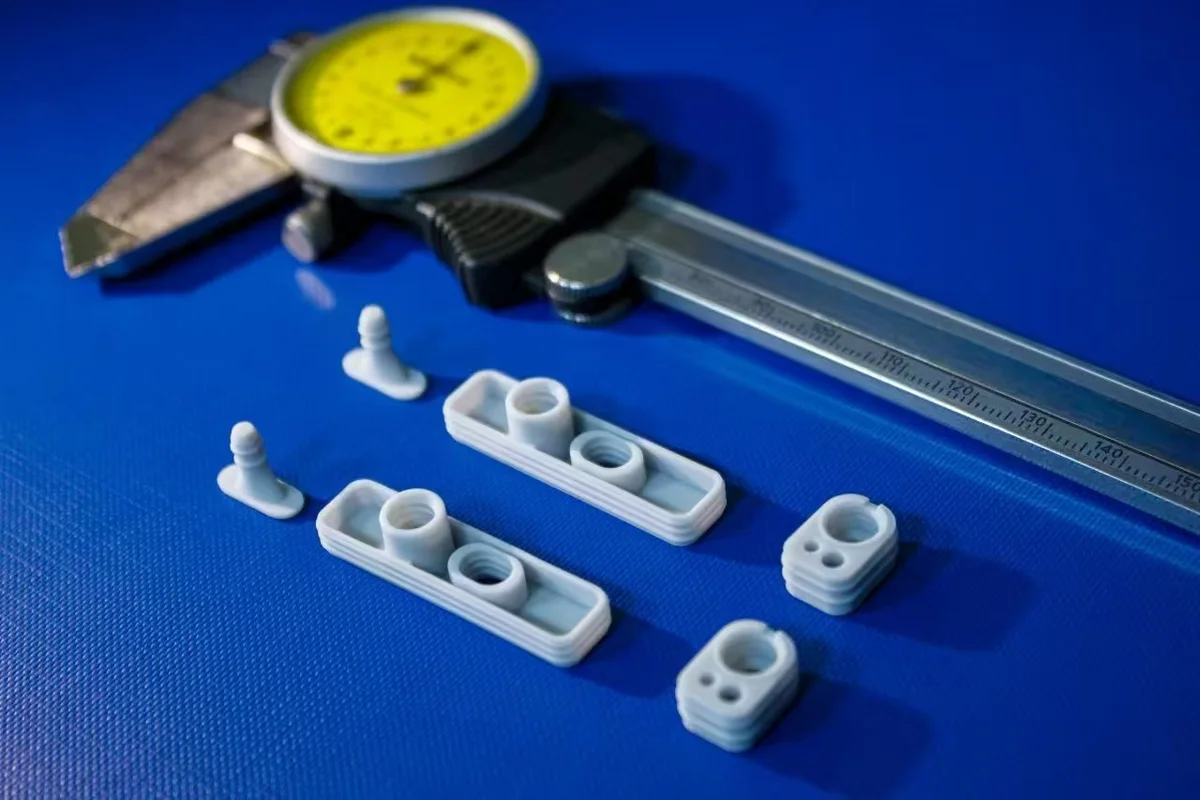
Material and evidence
Food-contact silicone is a documented project requirement, not a visual conclusion
Material-document confirmation
Confirm the silicone grade, supplier documentation, color system, processing restrictions and the exact regulation or customer standard applicable to the project.
Finished-part verification
Where migration, odor, extractables or media compatibility matter, define the specimen, conditioning, test method and acceptance criteria in the technical agreement or applicable report.
Sample and assembly fit
Check dimensions, appearance, flash, deformation and assembly fit on trial parts. Sealing or flow performance is confirmed with the customer's mating assembly and agreed method.
Controlled molding
Transfer the approved sample into a repeatable production route
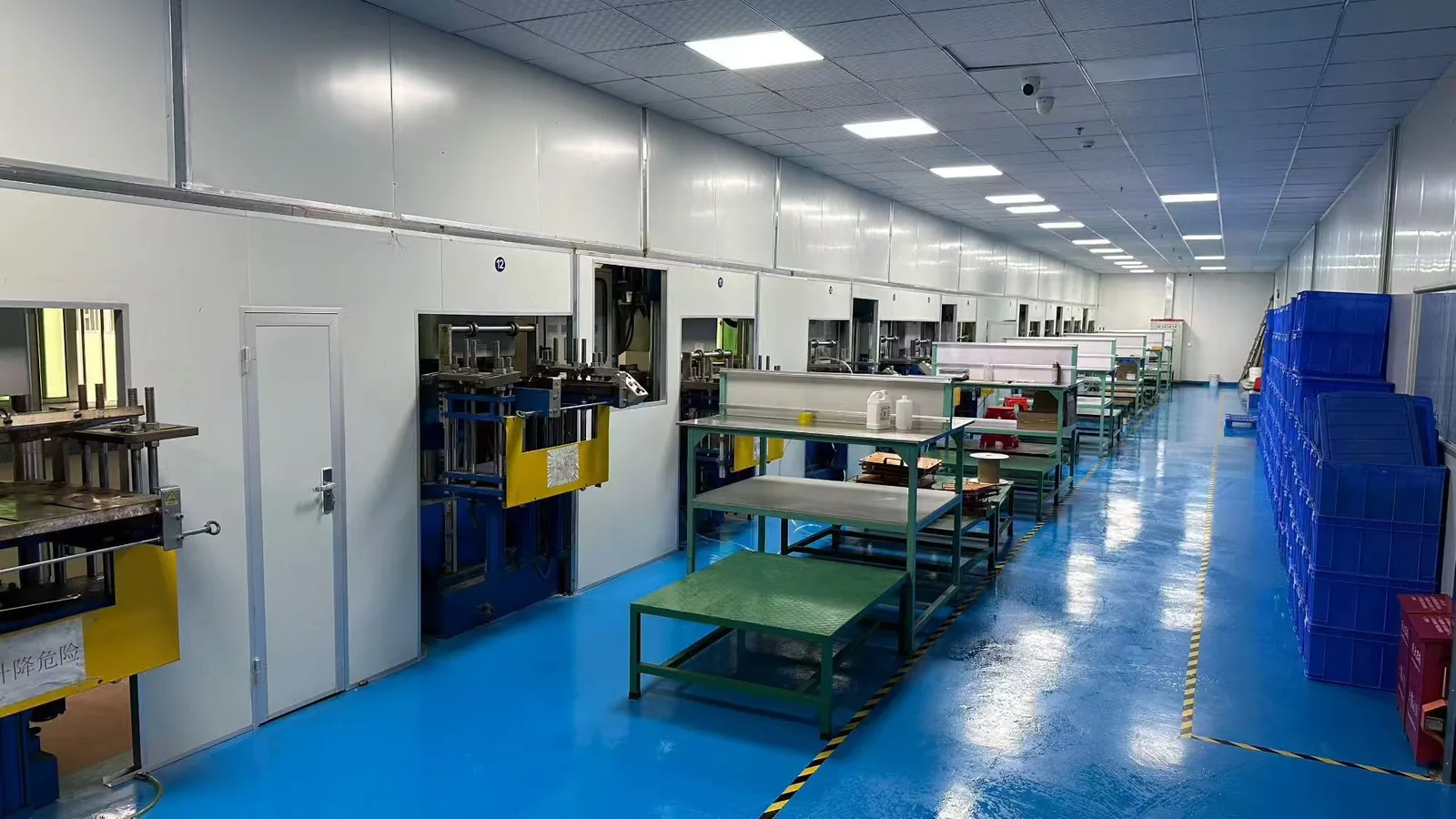
After sample sign-off, the production route links the approved material version, mold version, molding window and inspection points. Incoming identification, batch segregation, mold condition, molding parameters, deflashing, post-curing when specified, visual and dimensional checks, and protected packaging are controlled against the project file.
The photograph shows the actual silicone molding workshop for this case. It supports the production-scene description only and does not by itself establish a cleanroom classification, food-contact certification or final-product compliance.
Engineering route
Six checkpoints from project input to batch supply
Requirements input
Collect drawings, mating parts, media, temperature, assembly, color and acceptance requirements.
DFM review
Review functional edges, thin sections, holes, venting, parting, flash control and demolding.
Material confirmation
Lock the customer-approved silicone direction, document scope, color and processing conditions.
Sample tooling
Build the trial route, mold samples and inspect dimensions, appearance and assembly-related features.
Customer sign-off
Use the agreed drawing, assembly and test method to confirm the reference sample and change boundary.
Controlled production
Transfer the approved material, tooling, process window, inspection and packaging requirements to batch production.
This case is based on the three supplied photographs and the stated application direction. It does not claim FDA, LFGB or other certification, migration compliance, e-liquid compatibility, nicotine resistance, a fixed service life or compliance of the customer's finished product. Final acceptance follows the approved drawing, material documents, test method and applicable report.
Project input
Send the atomizer drawings, mating assembly and verification requirements
Provide the 2D or 3D files, critical dimensions, contact medium, temperature, assembly and compression conditions, target color, material-document scope, annual demand and acceptance method. PRESIS can then align DFM, silicone selection, sample tooling and production controls with the real project.