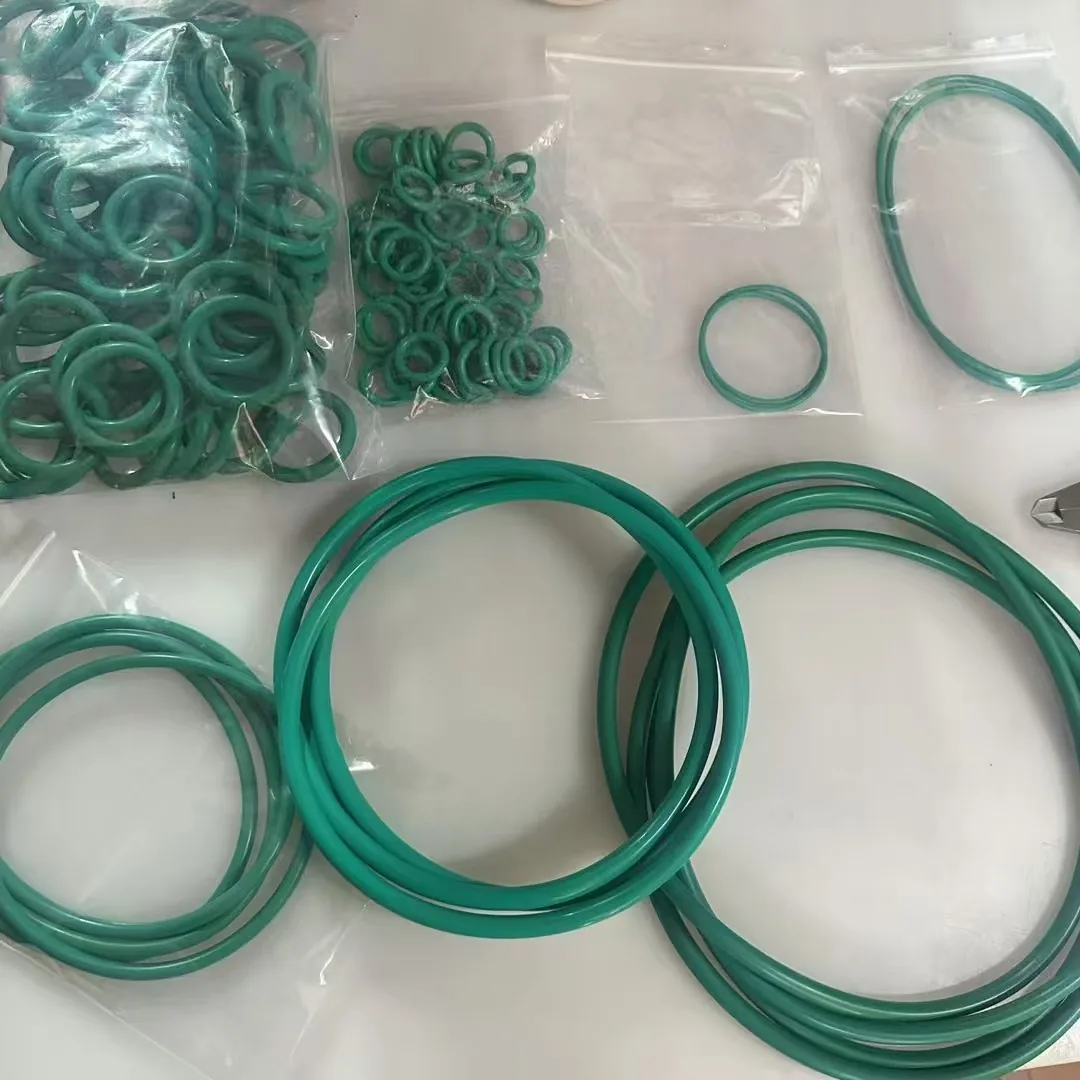
A leaking oil seal is not always a material failure
Before changing the polymer, check the complete sealing system. A premium compound cannot correct an unsuitable lip design, damaged installation, excessive shaft runout or poor surface finish.
- Actual temperature at the seal lip, not only ambient temperature
- Shaft hardness, roughness, eccentricity and runout
- Lip interference, spring load and installation condition
- Pressure, surface speed, lubrication and heat generation
- Exact fluid brand, grade and additive package
Five material decisions that cover most oil-seal discussions
1. NBR: the practical baseline for mineral oil
Nitrile rubber combines useful mineral-oil resistance, abrasion performance and cost control. It remains a strong first choice for general hydraulic oils, lubricants and moderate-temperature rotary sealing.
NBR should not be specified by polymer name alone. Acrylonitrile content affects oil swelling and low-temperature flexibility, while cure system, filler and hardness influence compression set and wear. Common NBR families are generally more comfortable around moderate continuous temperatures; values near 120°C are often short-duration or compound-specific rather than a universal continuous limit.
2. ACM and AEM: different routes for hotter lubricants
ACM has a long history in hot engine, transmission and powertrain oils. Its low-temperature behavior, water resistance and dynamic deformation must be checked for the specific grade.
AEM can offer a more balanced combination of heat aging, ozone resistance, low-temperature performance, resistance to oils with aggressive additives and compression-set control. It closes part of the performance gap between HNBR and FKM, but it is not an automatic replacement for every ACM application.
3. FKM: a leading candidate for heat, oil and fuel
FKM is often selected for high-temperature lubricants, fuels and demanding chemical exposure. Its long-term sealing stability can be valuable where maintenance intervals are long or oil additives are aggressive.
Standard FKM still has limits. Low-temperature flexibility, hot water, steam, amines and special chemical systems may require a dedicated FKM type or another polymer family. “FKM” is a family, not a complete specification.
4. HNBR: heat resistance plus mechanical strength
Hydrogenation improves the heat and ozone resistance of nitrile rubber while retaining useful oil resistance. HNBR is also valued for strength, abrasion resistance and extrusion control in loaded oil, gas, compressor and pump applications.
For hydrogen-sulfide or rapid-gas-decompression service, HNBR is not the only possible answer. Qualified HNBR, FKM, FEPM and FFKM formulations may all be considered. Selection must follow the actual gas composition, concentration, pressure, temperature, decompression profile and required standard.
5. VMQ and FVMQ: wide temperature capability needs a mechanical check
VMQ silicone offers excellent high- and low-temperature flexibility, weathering and ozone resistance. Certain formulations can contact aliphatic engine or gear oils, so it is inaccurate to call every VMQ compound completely oil-incompatible.
However, VMQ commonly has lower tear, wear and extrusion resistance than NBR, HNBR or FKM. That can limit it in dynamic oil-seal lips even when the temperature rating looks attractive. FVMQ fluorosilicone improves fuel and hydrocarbon resistance relative to standard VMQ and can be considered where low temperature and fuel exposure occur together.
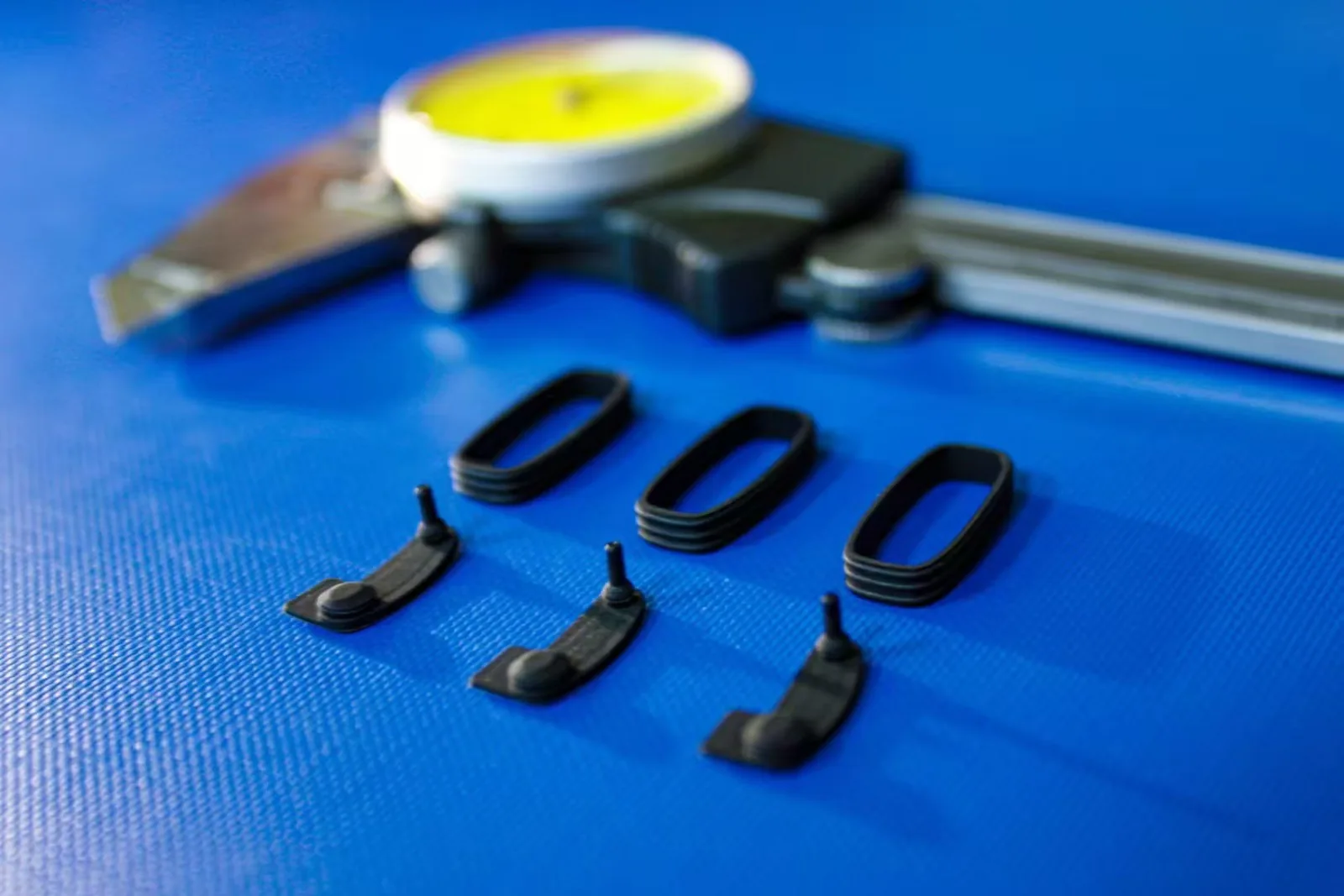
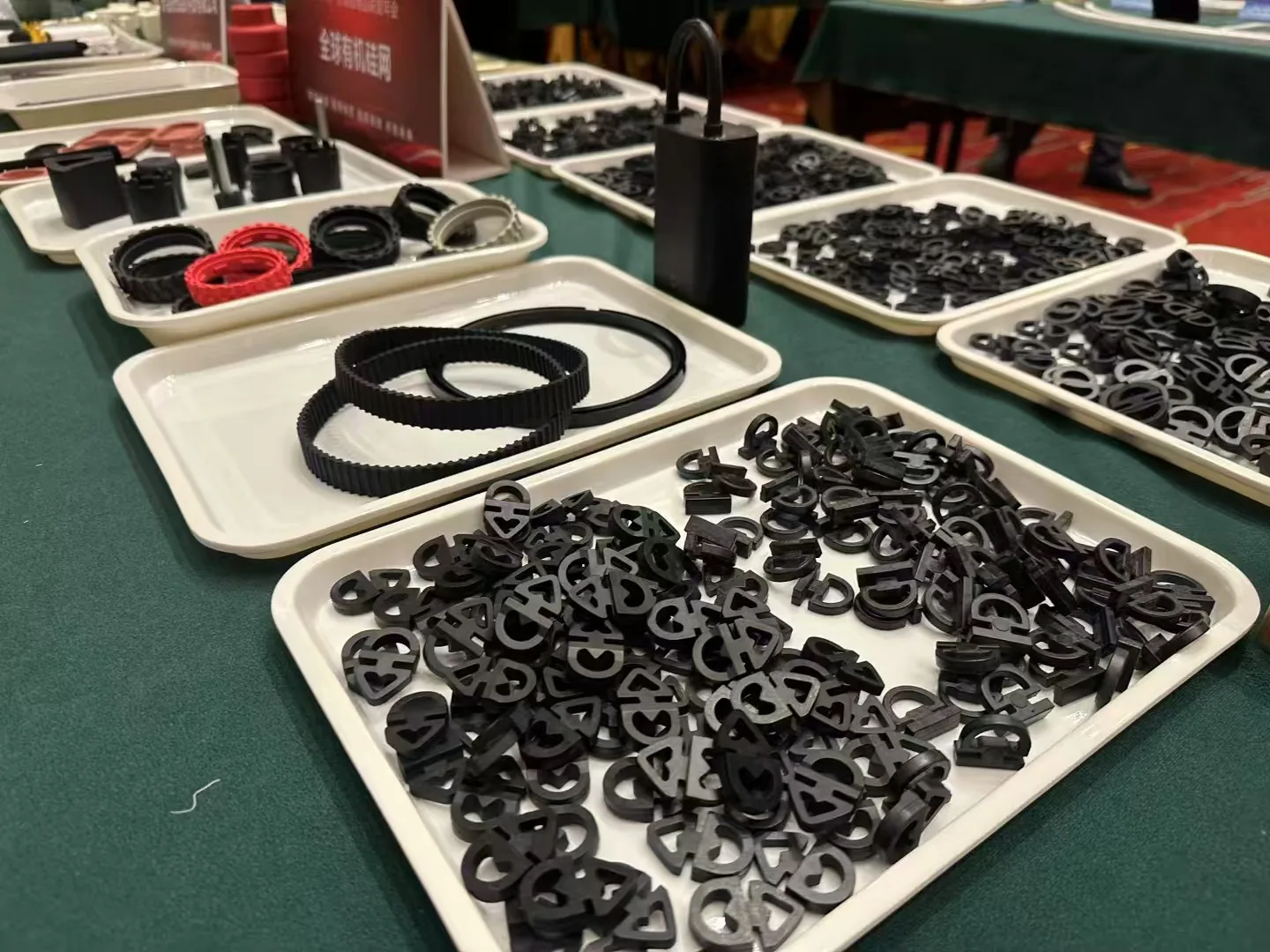
PRESIS oil-seal material quick-selection table
| Application condition | Materials to evaluate first | Why they enter the shortlist | What still needs verification |
|---|---|---|---|
| General mineral oil, moderate temperature and speed | NBR | Balanced oil resistance, wear and cost | Oil swelling, lip wear and actual lip temperature |
| Hot engine, transmission or gear oil | ACM, AEM, FKM | Stronger high-temperature lubricant direction | Additives, compression set and cold start |
| High speed with large temperature cycles | AEM, FKM, HNBR | Improved heat aging, deformation or mechanical strength | Friction, heat generation, runout and endurance |
| Fuel or aromatic hydrocarbons | FKM, FVMQ | Better fuel and hydrocarbon compatibility direction | Fuel composition, aromatic content and low-temperature sealing |
| High load or oil-and-gas equipment | HNBR, FKM | Oil resistance with stronger heat or mechanical capability | Pressure, extrusion gap and rapid decompression |
| Hydrogen-sulfide sour service | Qualified HNBR, FKM, FEPM or FFKM | Tested compound families are available for sour service | H₂S concentration, pressure, temperature, RGD and standard |
| Water-glycol or coolant | EPDM or a verified specialty compound | Water-based fluids use a different selection logic | Water content, additives, temperature and oil contamination |
| Phosphate-ester fire-resistant fluid | EPDM or a verified specialty material | Common mineral-oil materials may be unsuitable | Exact fluid, concentration, temperature and immersion data |
Elastomer media-compatibility screening table
Rating: ◎ usually a leading candidate · ○ generally compatible direction · △ compound and conditions must be checked · × generally not recommended · — insufficient for a family-level conclusion.
| Material | Mineral hydraulic oil | Engine / gear oil | Fuel / aromatics | Water-glycol / coolant | Phosphate ester | H₂S sour service |
|---|---|---|---|---|---|---|
| NBR | ◎ | ○ | ○ | △ | × | × |
| HNBR | ◎ | ◎ | ○ | △ | × | △ |
| ACM | ◎ | ◎ | △ | × | × | × |
| AEM | ◎ | ◎ | △ | △ | × | — |
| FKM | ◎ | ◎ | ◎ | △ | × | △ |
| VMQ | △ | △ | × | ○ | △ | × |
| FVMQ | ○ | ○ | ◎ | △ | × | — |
| EPDM | × | × | × | ◎ | ◎ | — |
This table is for polymer-family screening, not final approval. Additive packages, temperature, concentration, pressure, motion and exposure time can change the result. Confirm the selected compound through controlled immersion, volume change, hardness change, retained tensile properties, compression set and dynamic seal testing.
Five inputs that make an oil-seal review useful
- Full fluid name, brand, grade and additive system
- Continuous, peak and cold-start temperatures
- Shaft diameter, speed, surface velocity, runout and finish
- Pressure, lip design, available space and extrusion gap
- Target life, observed failure mode and customer validation standard
Material, seal geometry, tooling, molding and testing should be reviewed as one project chain. That is how repeated trial-and-error, premature wear and leakage risk are reduced.
Technical references
This screening logic is aligned with the Parker O-Ring Handbook, Trelleborg automotive sealing-material guidance and Parker oil-and-gas sealing guidance. These sources support general material-family statements; the PRESIS project recommendation remains tied to the approved compound and customer test conditions.
Trying to solve oil-seal swelling, wear or high-temperature leakage?
Send the fluid information, operating temperature, shaft speed, pressure and failure photos. PRESIS can help organize a material, tooling and sample-validation route for the confirmed application.
Discuss your seal project