Large-shot rubber injection for demanding molded parts
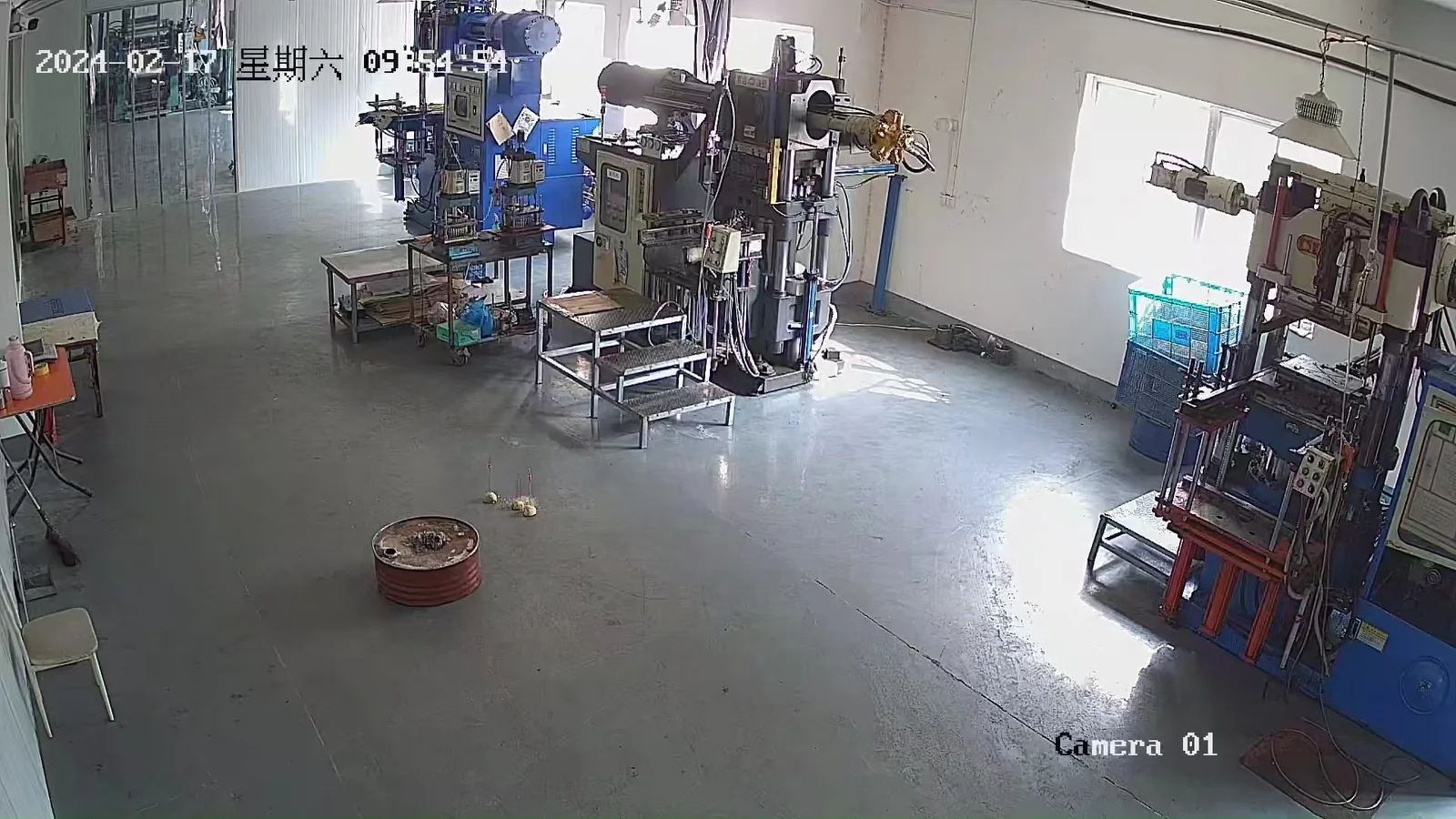
The Shenzhen factory operates six 300- and 400-ton-class large-shot rubber injection machines. This equipment direction supports larger parts, higher material volume and complex rubber or rubber-to-metal geometries where repeatable material delivery and controlled curing are essential.
Injection volume, mold temperature, pressure, venting and cure time are reviewed as one process window. The objective is to reduce short shots, trapped air, excess flash and uneven vulcanization before a project enters repeat production.
Inspection connected to the production process
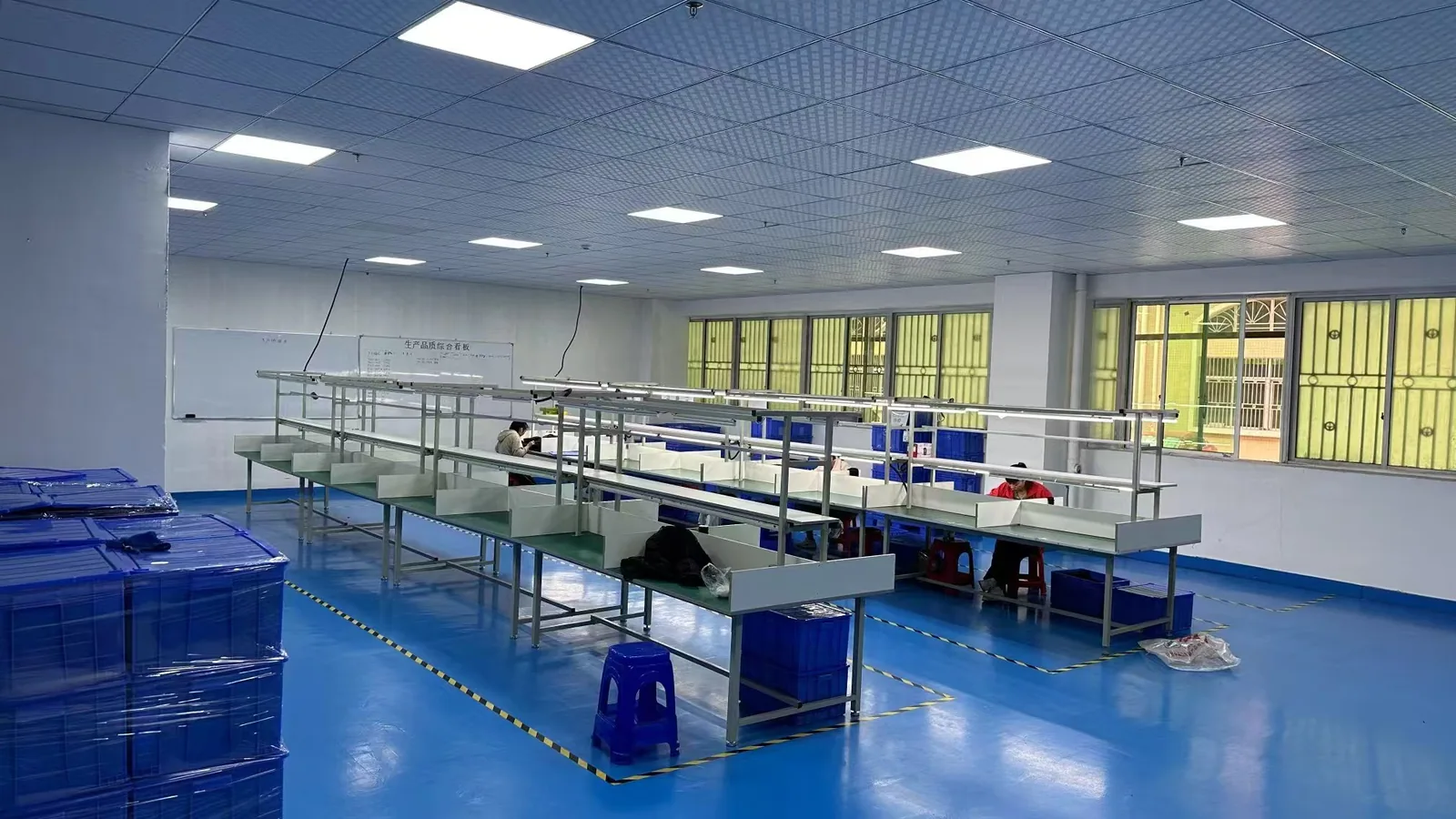
The factory has approximately 15 sets of inspection and test equipment. The disclosed capability includes CCD visual inspection, one-button flash dimensional measurement, 2.5D vision measurement, hardness testing, high- and low-temperature testing, universal tensile testing, Akron abrasion testing and high-temperature ovens.
The inspection route is selected from the drawing, approved material specification and application risk. Measurement records, batch information and release status are retained according to the confirmed project control plan.
Vacuum molding for solid medical-direction silicone
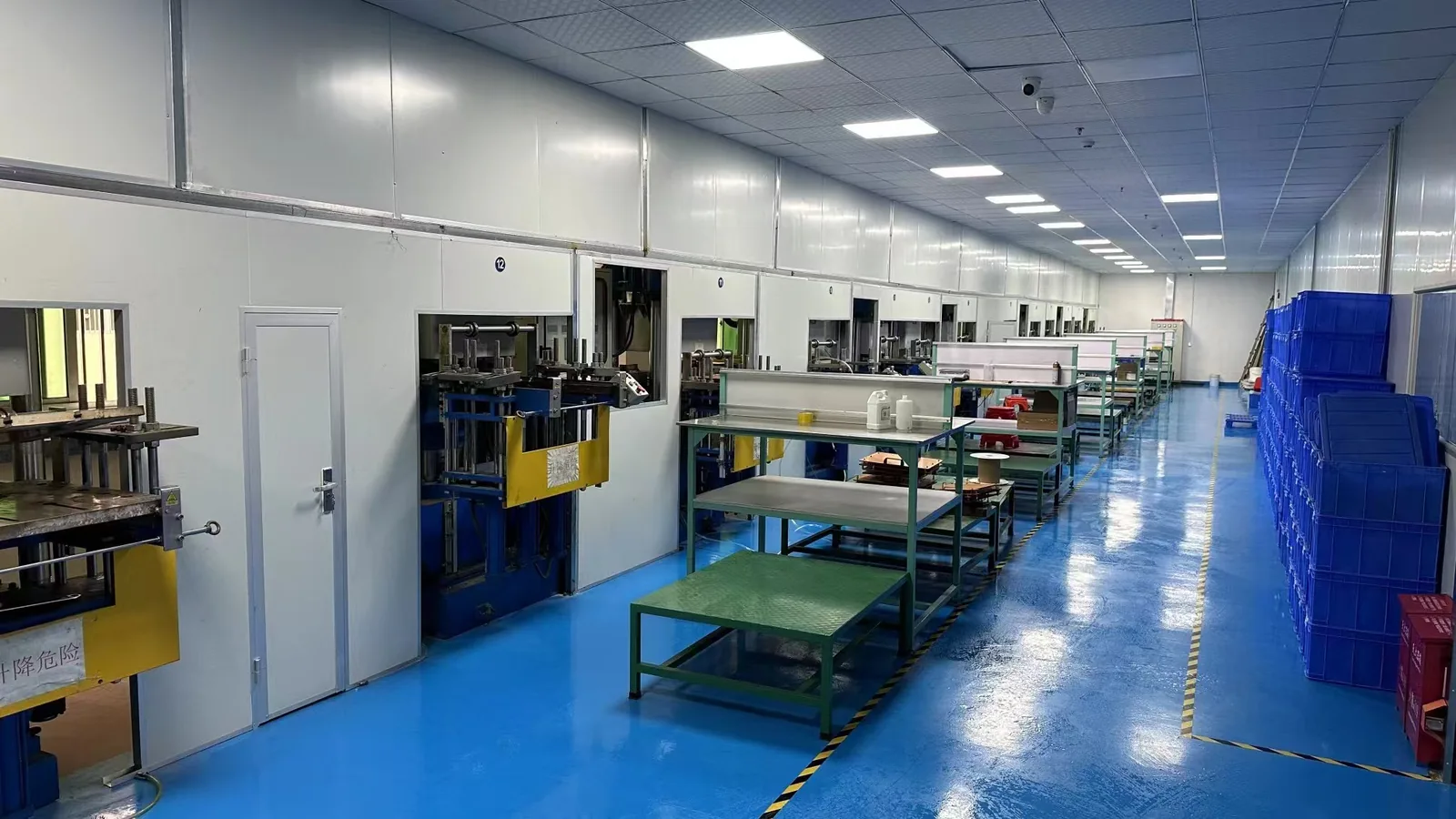
Twenty-eight 250-ton vacuum molding machines support solid-silicone seals, structural silicone parts and medical-direction components. Vacuum-assisted molding helps remove air from the cavity and can reduce bubbles, incomplete filling and localized cure variation when the mold and process are properly matched.
In-house mold development links design to molding
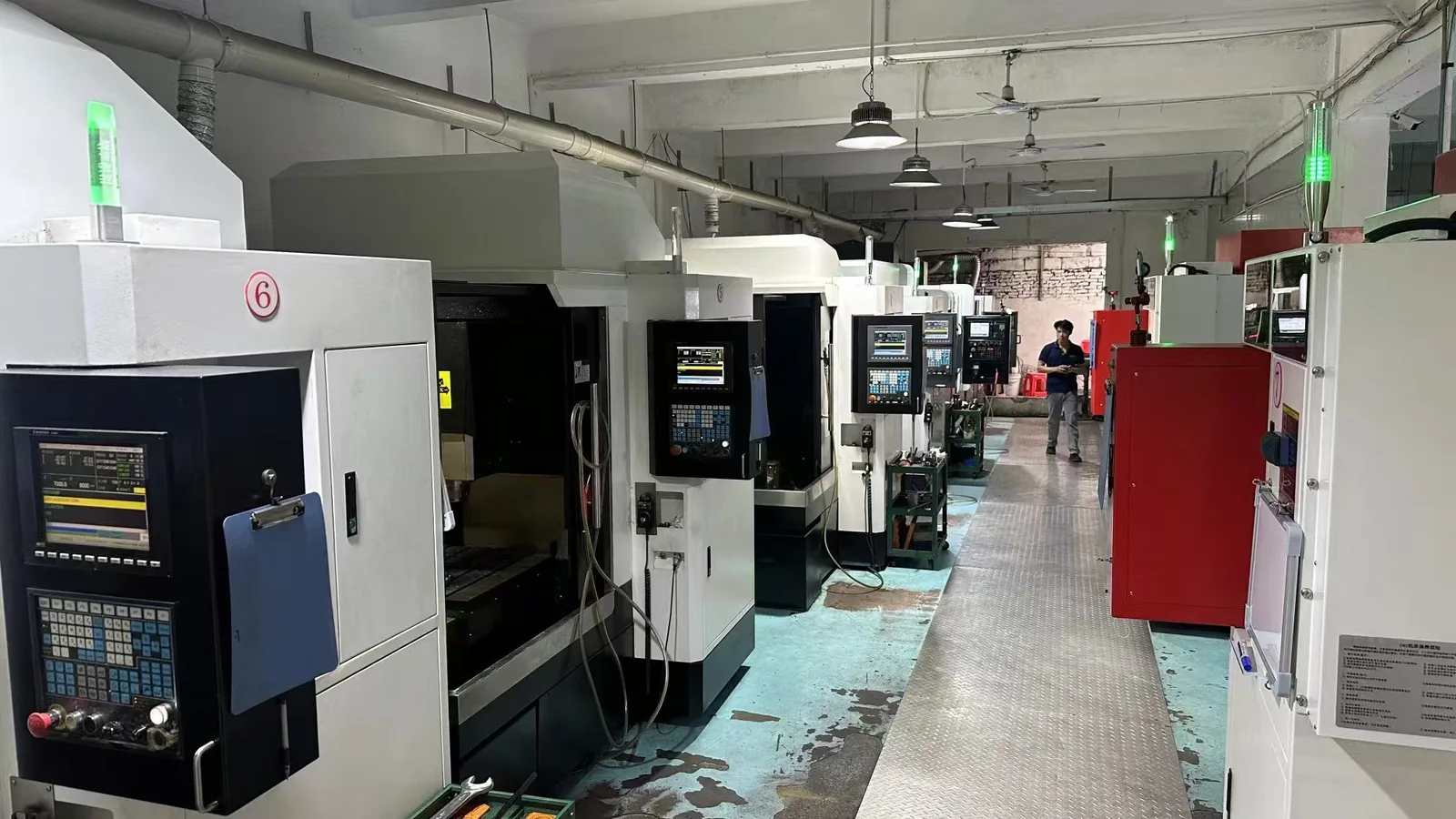
The mold department operates 11 CNC machines. Product geometry, parting lines, venting, gate or runner strategy and demolding risk can be reviewed together with the molding team. Keeping trial correction close to production shortens feedback loops and supports faster dimensional adjustment.
A manufacturing system built for long-term projects
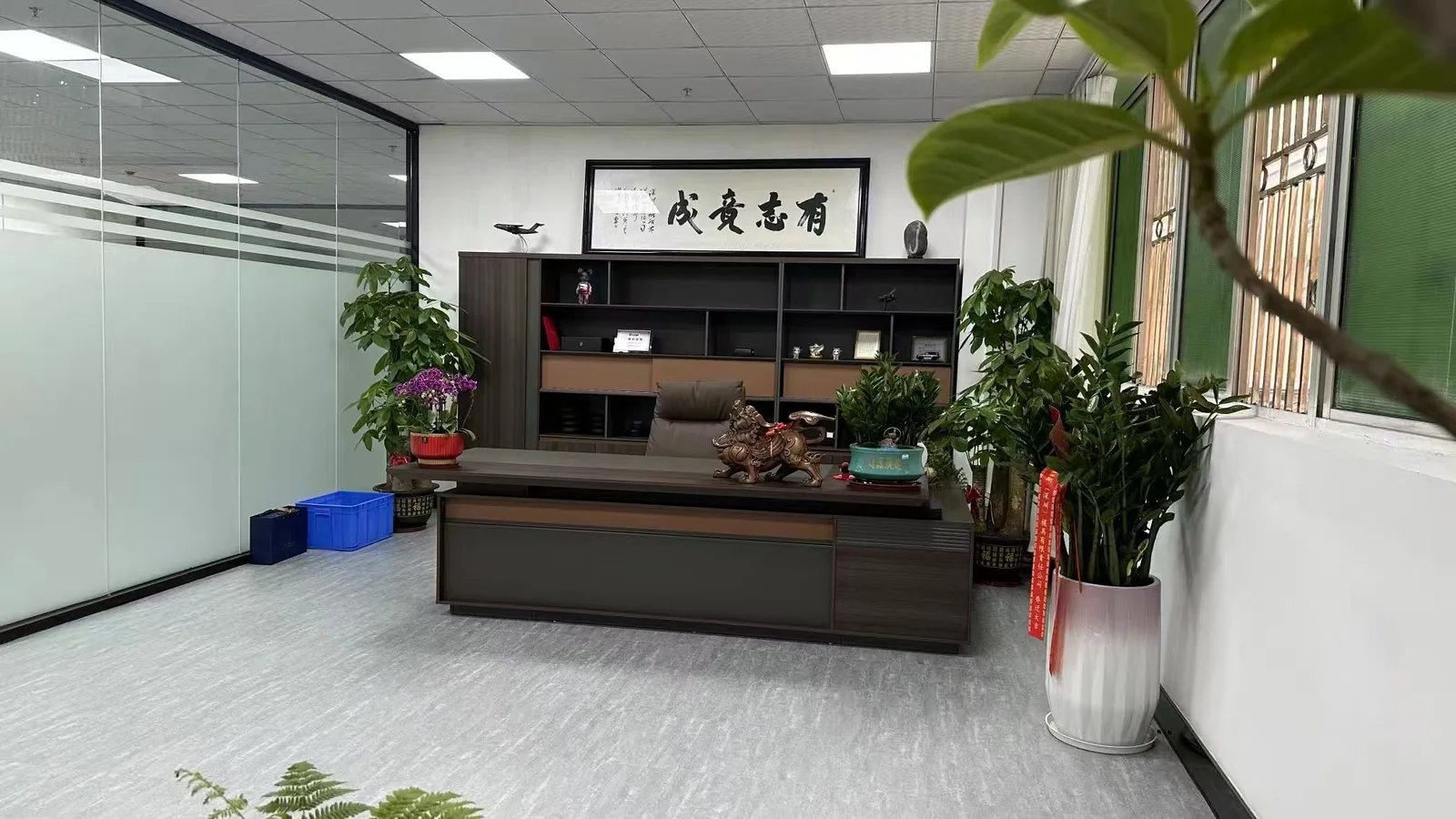
PRESIS evaluates more than whether a sample can be molded once. Material compatibility, mold maintainability, process stability, inspection evidence and repeat-order delivery all enter the project review. This approach is especially important for small-batch, multi-variety and drawing-based custom components.
Engineering, tooling, production and quality coordination
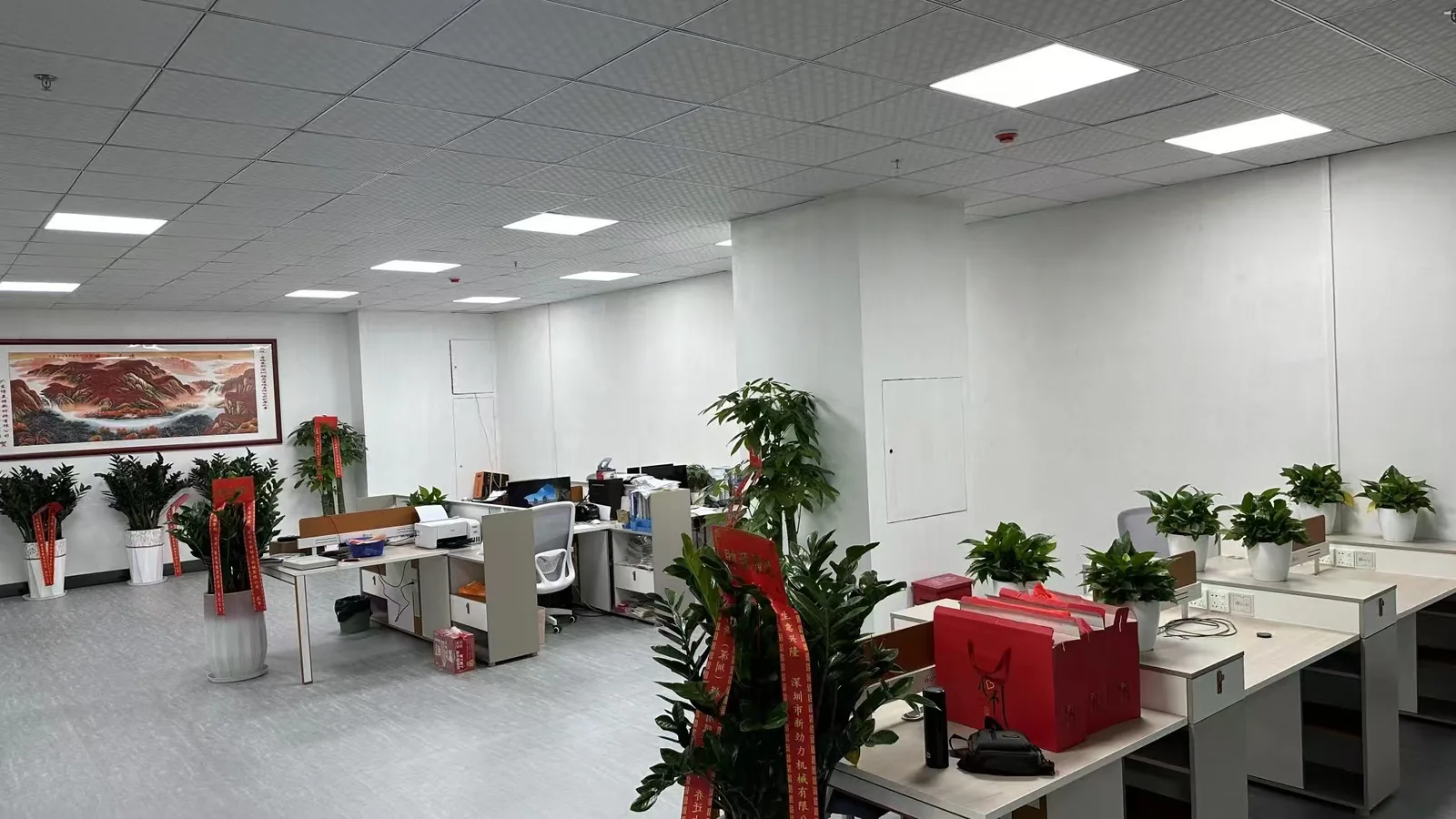
A custom elastomer project normally crosses sales, engineering, materials, tooling, molding and quality. Drawing review, material direction, sample status and exception disposition need to be confirmed, recorded and traceable so that information is not lost between departments.
EDM capability for deep cavities and complex details
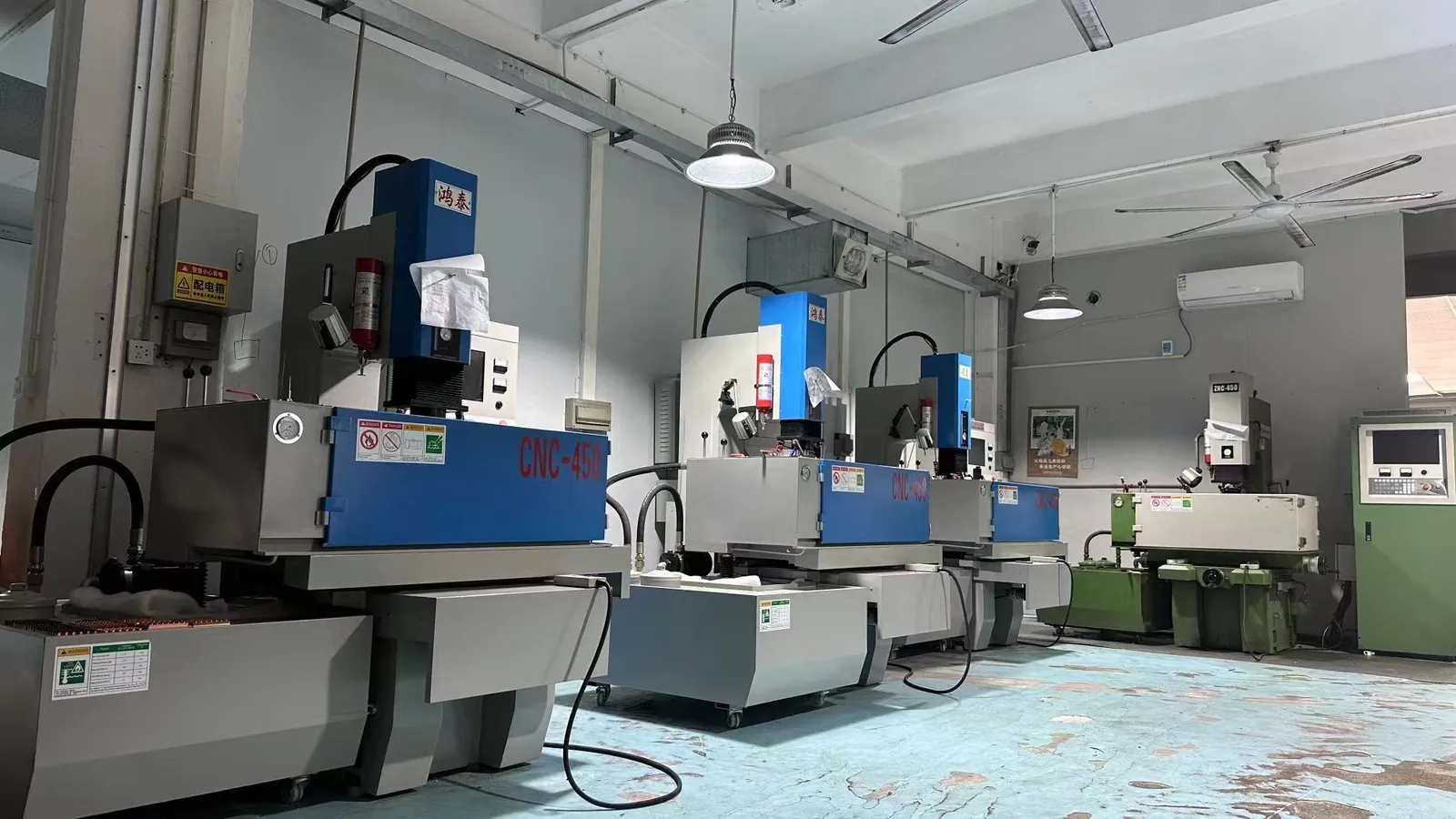
Three electrical-discharge machining machines support deep cavities, narrow slots and detailed geometries that are difficult to create with conventional cutting tools. CNC and EDM are combined according to the mold structure rather than treated as separate capabilities.
Medical-direction liquid silicone rubber molding
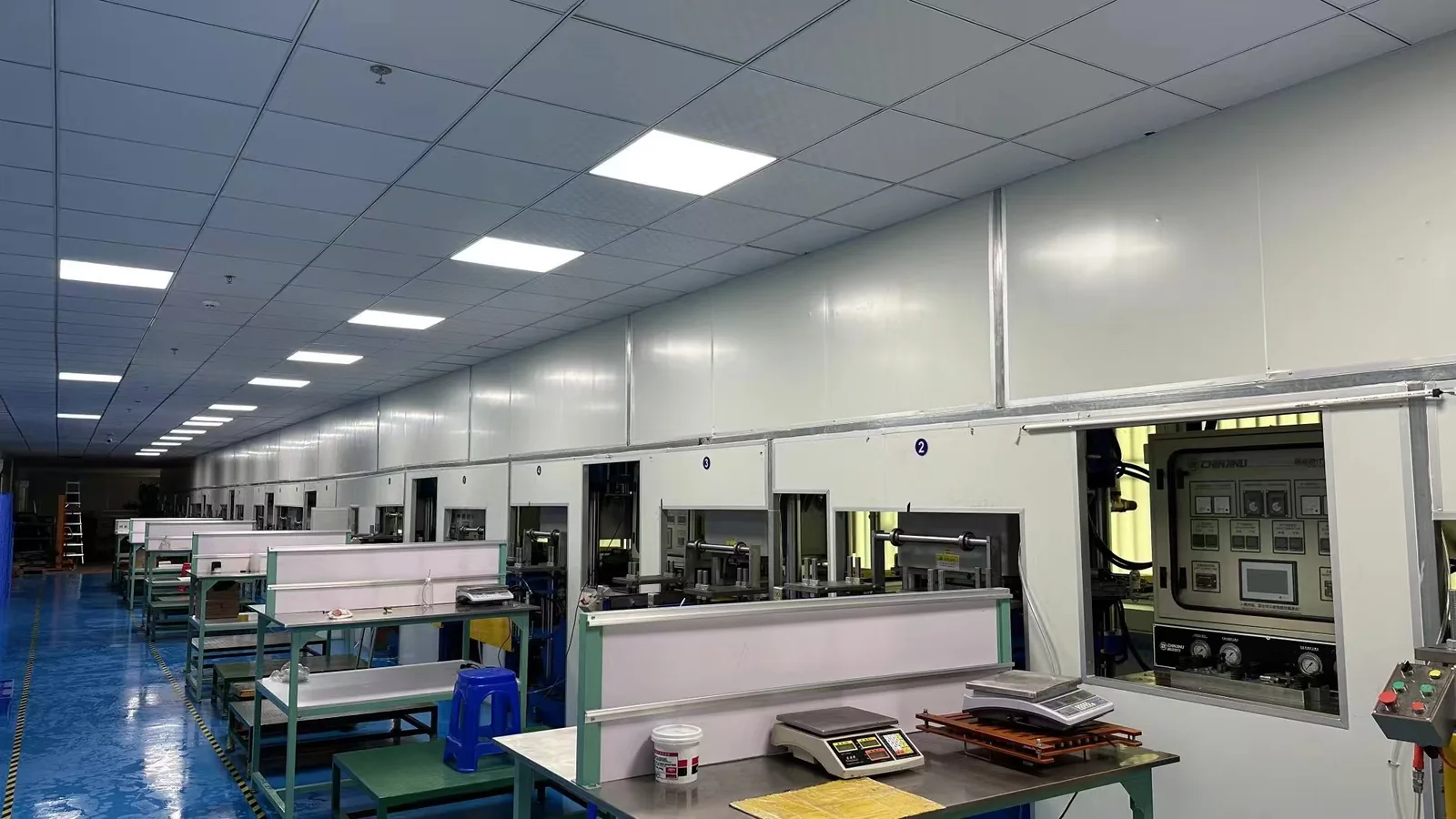
Five medical-direction liquid silicone rubber machines support precision LSR seals, valves, diaphragms, flexible structures and silicone overmolded components. LSR flow behavior places demanding requirements on mold sealing, metering, cold-runner control and process consistency, making tooling and molding coordination especially important.
Precision FFKM screw-valve components
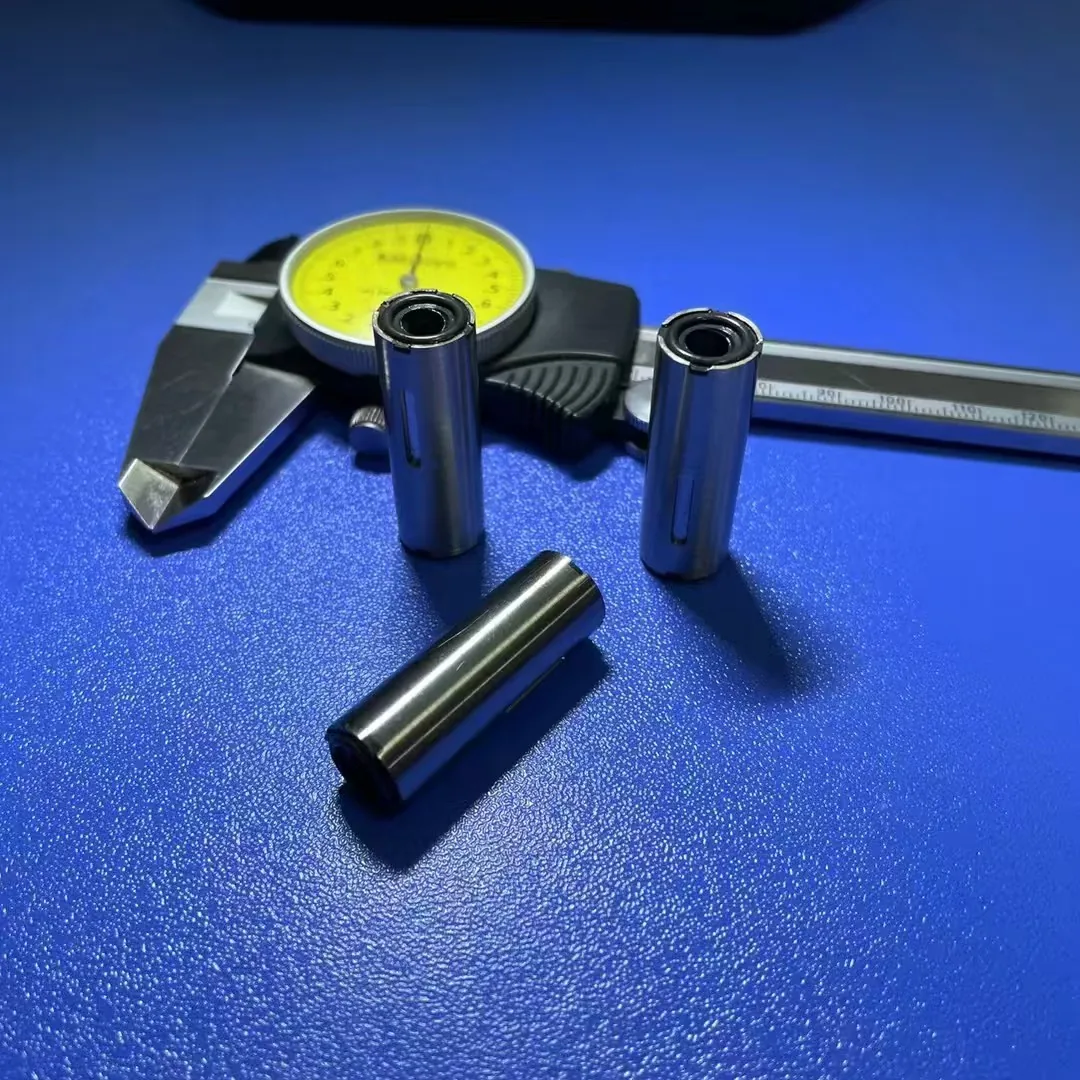
For precision dispensing and fluid-control applications, the material must be screened against the actual fluid, temperature, pressure and movement. FFKM can enter the shortlist for severe chemical or thermal exposure, but the compound, geometry and validation conditions still require project-specific confirmation.
FKM precision sealing rings
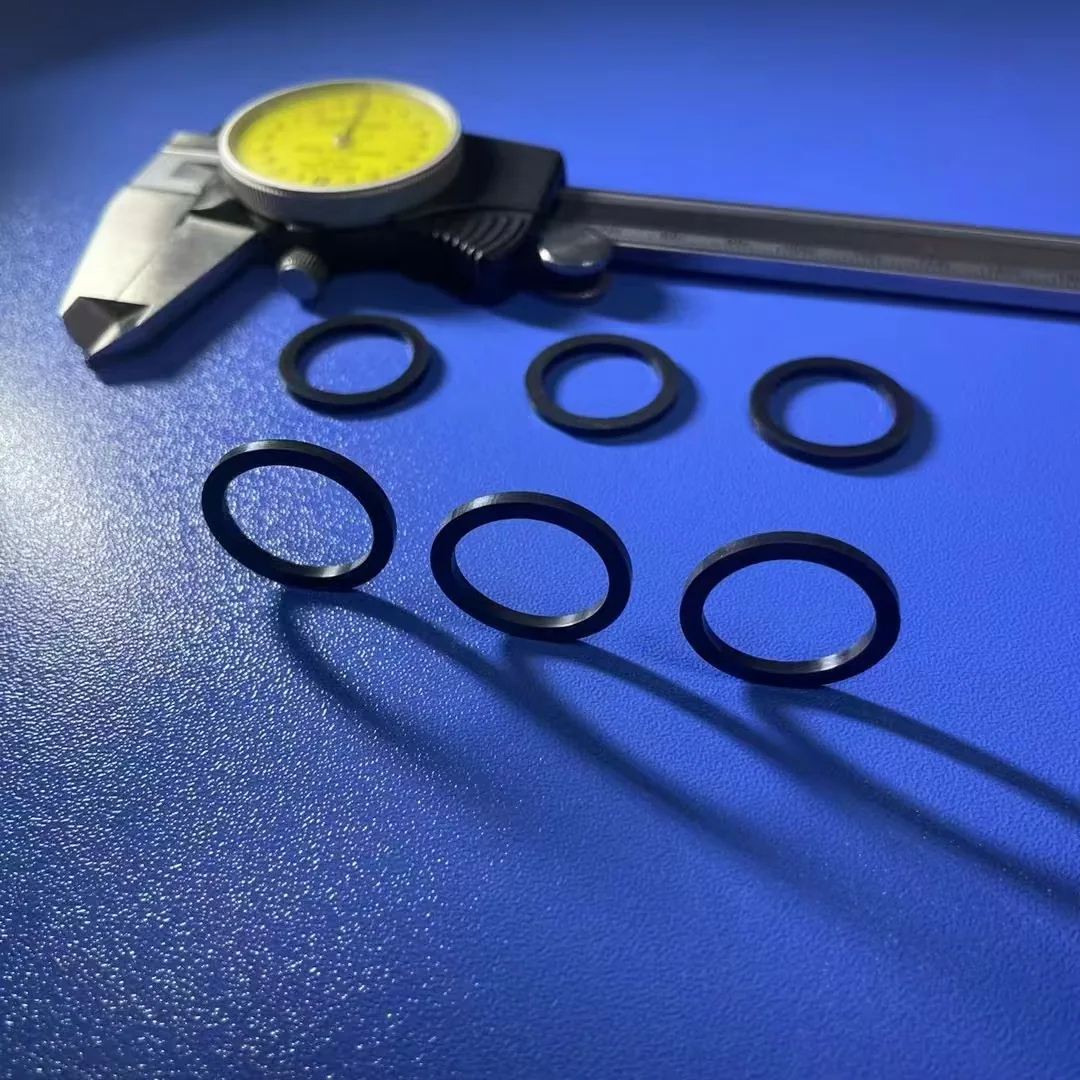
FKM is widely evaluated for heat, oil, fuel and chemical resistance. PRESIS reviews the exact medium, temperature profile, compression, movement and target life before selecting a compound family, hardness and cure direction.
FFKM overmolded stainless-steel screw-valve rotors
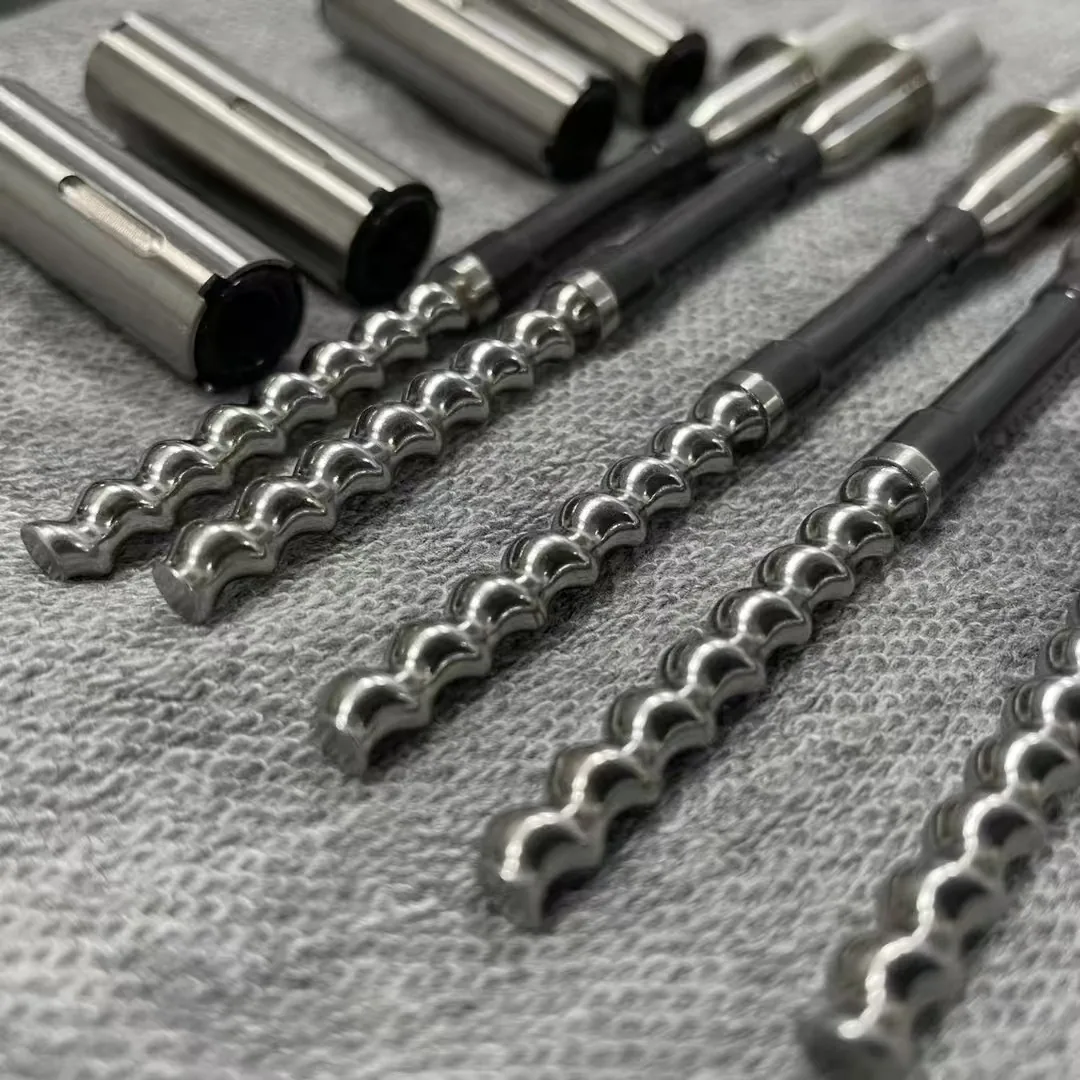
Rubber-to-metal overmolding depends on metal preparation, bonding chemistry, insert location, mold sealing and cure compatibility. These controls are reviewed together to manage adhesion, concentricity and finished dimensions.
Precision molds for liquid silicone products
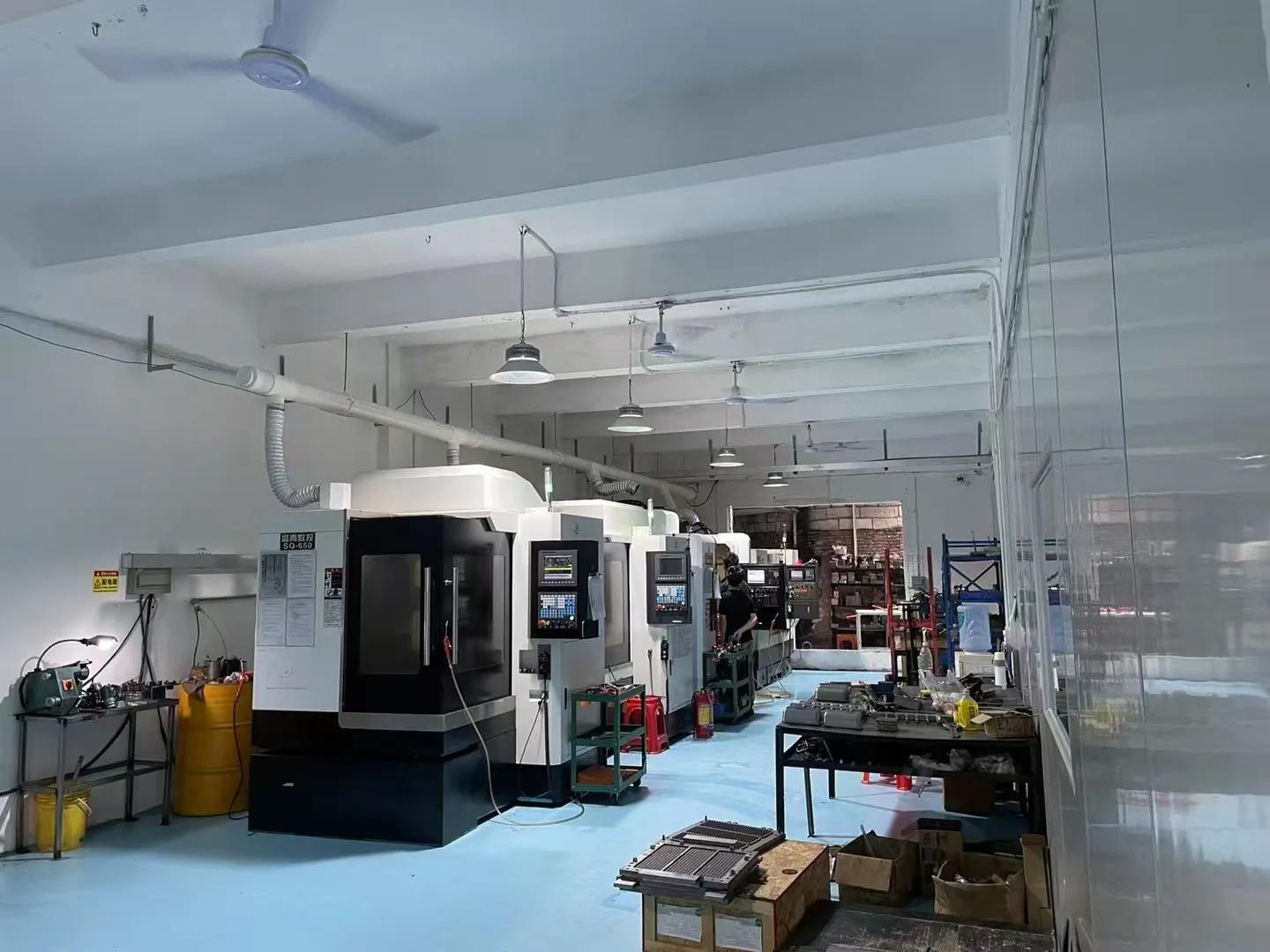
Because liquid silicone flows easily, small deviations at the parting line, vent or insert interface can cause flash, trapped air or dimensional instability. Internal machining, assembly, trial molding and correction allow the tool and molding window to be validated together.
Disclosed Shenzhen equipment and planning capacity
| Capability | Disclosed configuration | Project value |
|---|---|---|
| Large-shot rubber injection | 6 machines, 300- and 400-ton class | Larger or higher-volume rubber and overmolded parts |
| Medical-direction LSR molding | 5 liquid silicone machines | Precision LSR and silicone overmolding |
| Solid silicone vacuum molding | 28 machines, 250-ton class | Scalable solid-silicone production |
| Inspection and testing | Approximately 15 sets | Visual, dimensional, mechanical and environmental checks |
| CNC mold machining | 11 machines | Internal tooling development and correction |
| Electrical-discharge machining | 3 machines | Deep cavities and complex precision features |
| Monthly silicone processing plan | Up to approximately 200 metric tons | Subject to product mix, cycle and approved schedule |
| Monthly rubber processing plan | Up to approximately 50 metric tons | Subject to material, geometry and project mix |
| Monthly mold organization plan | Up to approximately 100 sets | Subject to mold size, complexity and validation scope |
Verified IATF 16949 quality-system scope
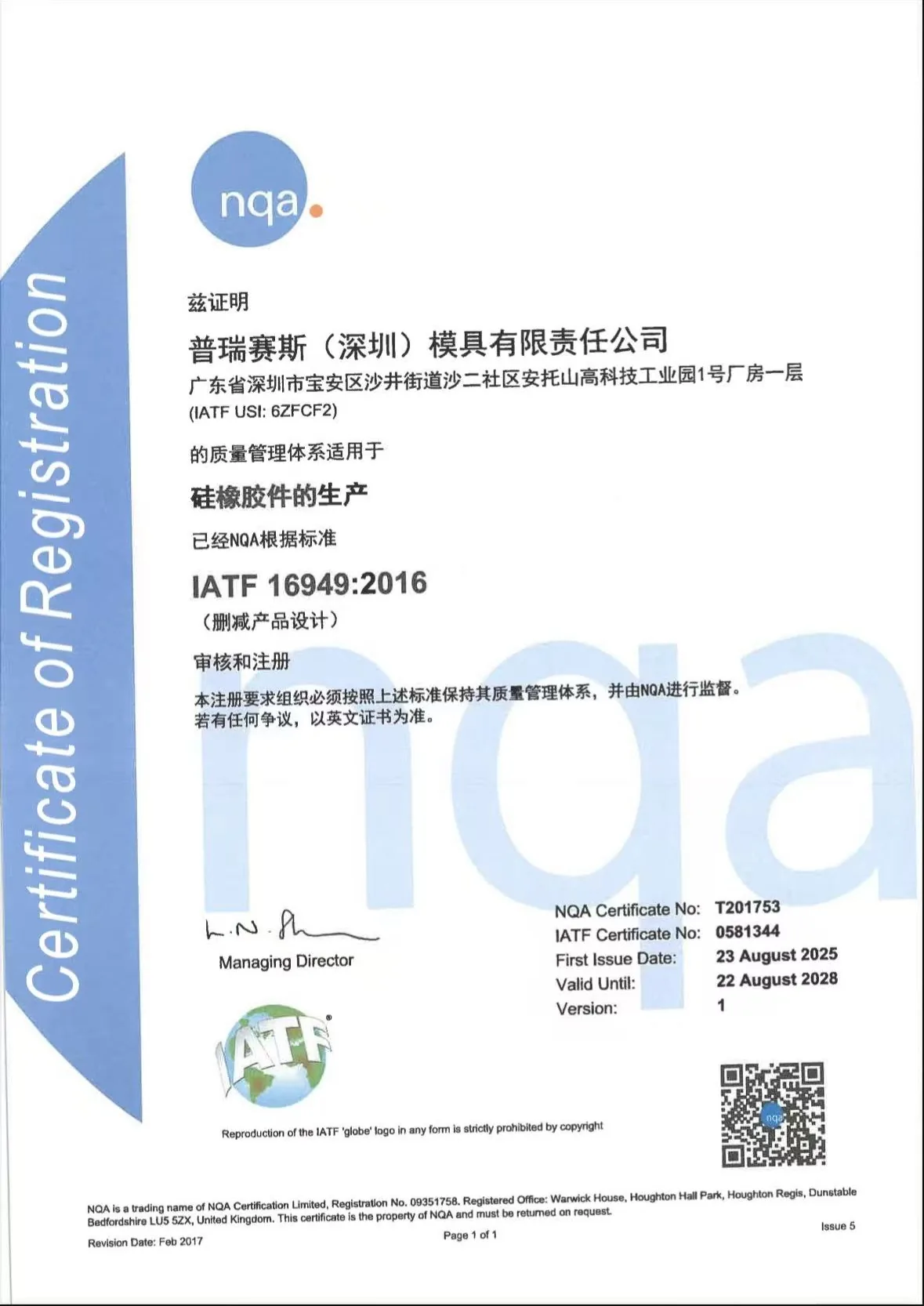
The supplied certificate confirms that the Shenzhen entity's quality management system is registered to IATF 16949:2016 for the production of silicone and rubber parts, with product design excluded. The certificate was first issued on August 23, 2025 and is valid until August 22, 2028.
For RoHS and REACH-related requirements, PRESIS uses project-specific wording: applicable materials and supporting documentation are confirmed by material grade, batch, customer specification and target market. Compliance is not assumed from a polymer family name alone.
What to send for a useful factory review
- 2D drawing, 3D file or physical sample
- Operating medium, continuous and peak temperature
- Material direction, hardness and color requirements
- Critical dimensions, tolerance and inspection method
- Annual quantity, sample schedule and documentation requirements
Planning a custom silicone, rubber, FKM or FFKM component?
Send the drawing, application conditions, material direction and expected quantity. PRESIS can organize a practical material, tooling, sampling, inspection and production-readiness review for the confirmed project.
Discuss your project